2026 Intern Reflections
August 26, 2026
On their last day at Rowan, we asked our interns a few questions about their summer. Here's what they had to say:
Isaiah Sippel
What did you do this summer?
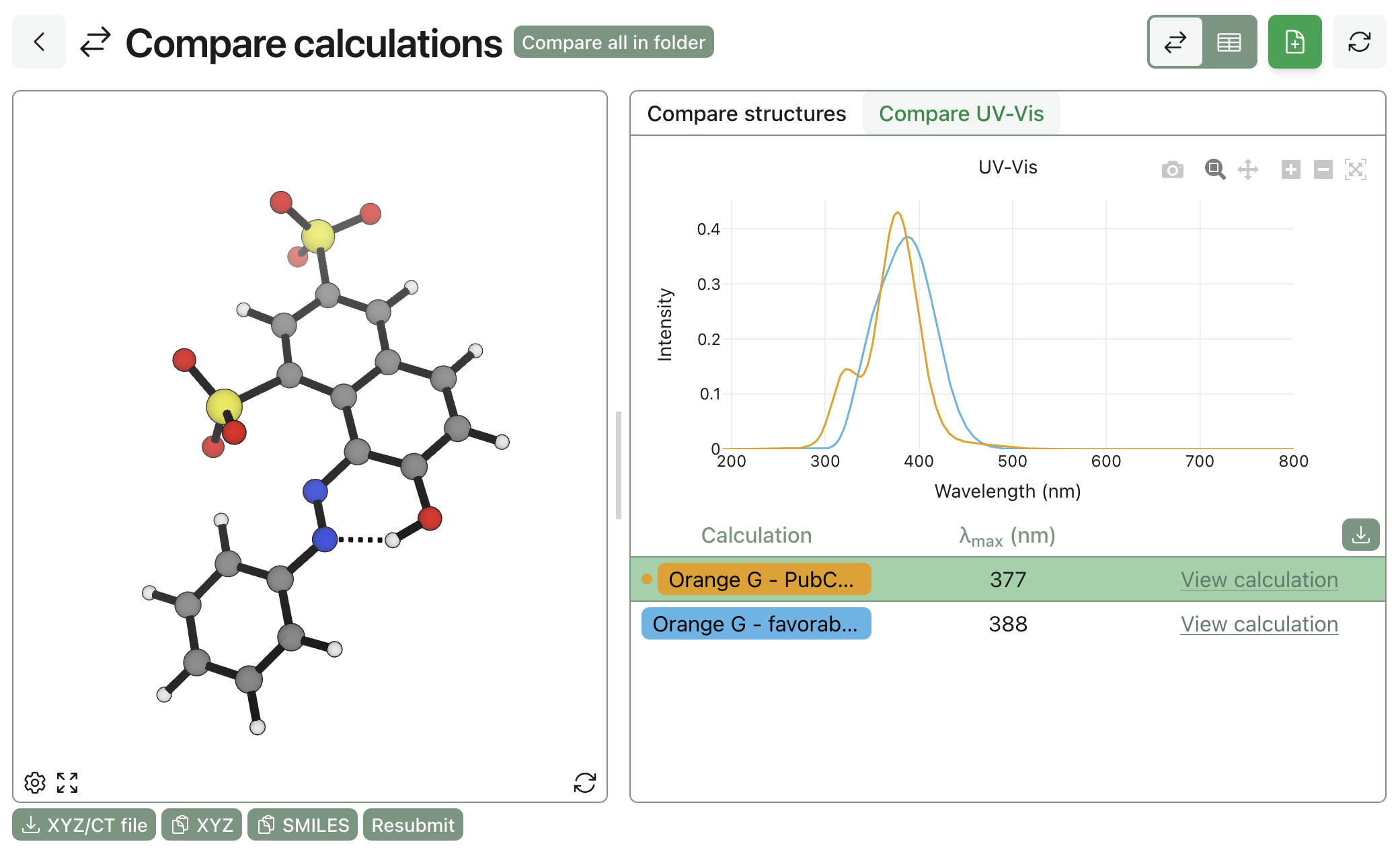
I primarily worked on benchmarking and determining best practices for time-dependent density-functional theory (TD-DFT). I also helped test features, write documentation, and fix assorted bugs.
What's something surprising you learned this summer?
I'm surprised at how much room for improvement there is in computational chemistry. Models and methods are constantly getting better, but despite all the recent advancements, one of the best TD-DFT functionals is from 2004.
What's a high-level project you wish someone working with computation in the chemical sciences would pursue?
It would be interesting to see if some cellular pathways can be fully simulated end-to-end at a molecular level. I've always wondered what the reaction mechanics look like on a molecular scale. Unfortunately, biological systems are massive and expensive to simulate, so my curiosity may not soon be satisfied.
What's an open-source software (OSS) project that you wish existed to make your work easier this summer?
I wish there was a better way to browse experimental data. Working with a few databases this summer, I ran into inconsistent formatting, weird file formats, and viewers only available for certain operating systems. Some sort of browser for looking through or downloading open-source databases and easily comparing values for chemicals across them would be nice.
If you were going to return to Rowan, what would you want to work on next?
I'd like to work on reaction modeling using neural network potentials (NNPs). I tested various reactions in bulk materials this summer, and I think it would be interesting to find a complicated reaction pathway and simulate it in its entirety.
What's your favorite game you played at Rowan, and why/what have you learned playing it?
It just has to be GeoGuessr. I've been playing it for years, and this year I have been trying to get better at region-guessing, which has been a mixed bag. Unlike most video games, I feel like GeoGuessr helps me get a better feel for what the world looks like in places I have never been.
Ishaan Ganti
What did you do this summer?
I spent the first half of the summer adding post-processing to Rowan's protein molecular dynamics (MD) workflow. This includes features like MM/GBSA single-point energies, ligand RMSD, etc. as well as hydration site analysis, which tracks where waters tend to reside in protein–ligand simulations.
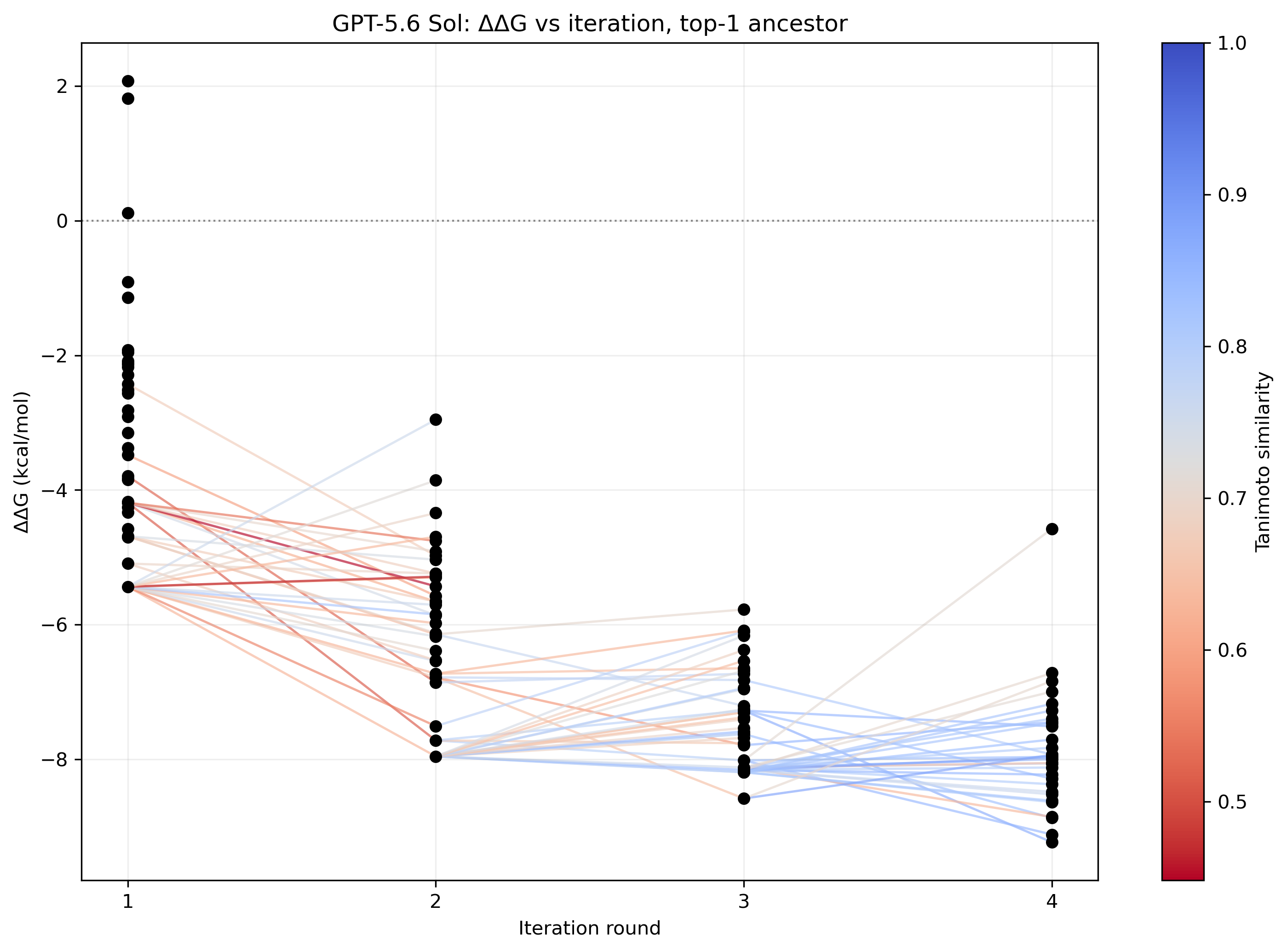
In the latter half, I focused on benchmarking various pocket-conditioned binder design methods—including LLMs—on a constructed lead optimization exercise.
What's something surprising you learned this summer?
LLMs can be used to make strong predicted binders with no tool access.
What's a high-level project you wish someone working with computation in the chemical sciences would pursue?
I'd love for there to be more public protein–ligand MD data and free-energy perturbation (FEP) data. Loads of this data probably exists from calculations research groups have run for different projects, but having it easily accessible would be great. Intentional, large-scale simulations of biologically relevant systems would also fit into this well.
While a bit different, I think OpenBind is a great step in this direction.
What's an open-source software (OSS) project that you wish existed to make your work easier this summer?
A unified MD trajectory analysis library that supports faster operations (e.g. atom selections, trajectory alignment, etc.). There are multiple libraries that exist right now that don't all have the same features, which forces conversions between the different library formats.
If you were going to return to Rowan, what would you want to work on next?
Drug discovery tooling specifically for LLMs to make drugs.
What's your favorite game you played at Rowan, and why/what have you learned playing it?
GeoGuessr! I learned that Sioux Falls has a "Nevada Ave" near a Casey's and a casino.
Nick Casetti
What did you do this summer?
I developed workflows for logP and covalent inhibitor reaction scans as well as contributed to Rowan's conformer generation and solvation capabilities.
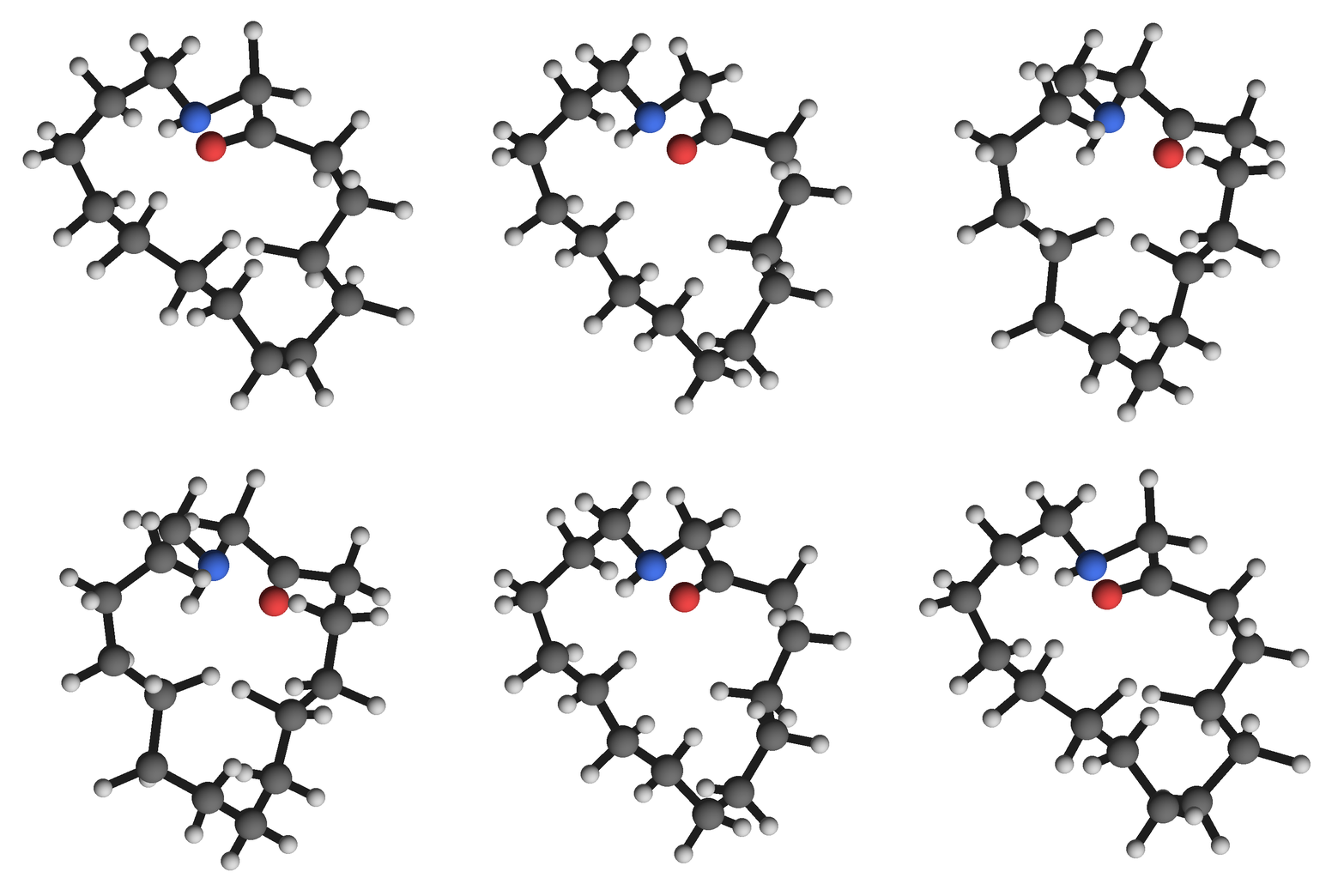
A low-mode frequency of the macrocycle azacyclohexadecanone
What's something surprising you learned this summer?
Adding additional protein context to a reaction scan of a covalent inhibitor doesn't always improve predictive capability due to the additional calculation noise. This has changed how I think about deploying simulations for prediction; specifically, adding more "realness" to a simulation needs to be provably motivated, and computational cost may not be the only tradeoff.
What's a high-level project you wish someone working with computation in the chemical sciences would pursue?
Implicit solvent models that reliably include explicit solvent effects and are fast (please).
What's an open-source software (OSS) project that you wish existed to make your work easier this summer?
Better 3D-to-2D molecule conversion (steamroll is great but this task has a lot of edge cases that make it very difficult).
If you were going to return to Rowan, what would you want to work on next?
I'd probably keep working on covalent inhibitors because I feel as though the field is behind (when compared to noncovalent inhibitors) in effectively simulating them. Also, there's a lot of very interesting science in simulating these reactions.
What's your favorite game you played at Rowan, and why/what have you learned playing it?
GeoGuessr because if I ever travel, I can get excited about arbitrary things like license plates, crosswalk signs, and bollards.
Raphael Stone
What did you do this summer?
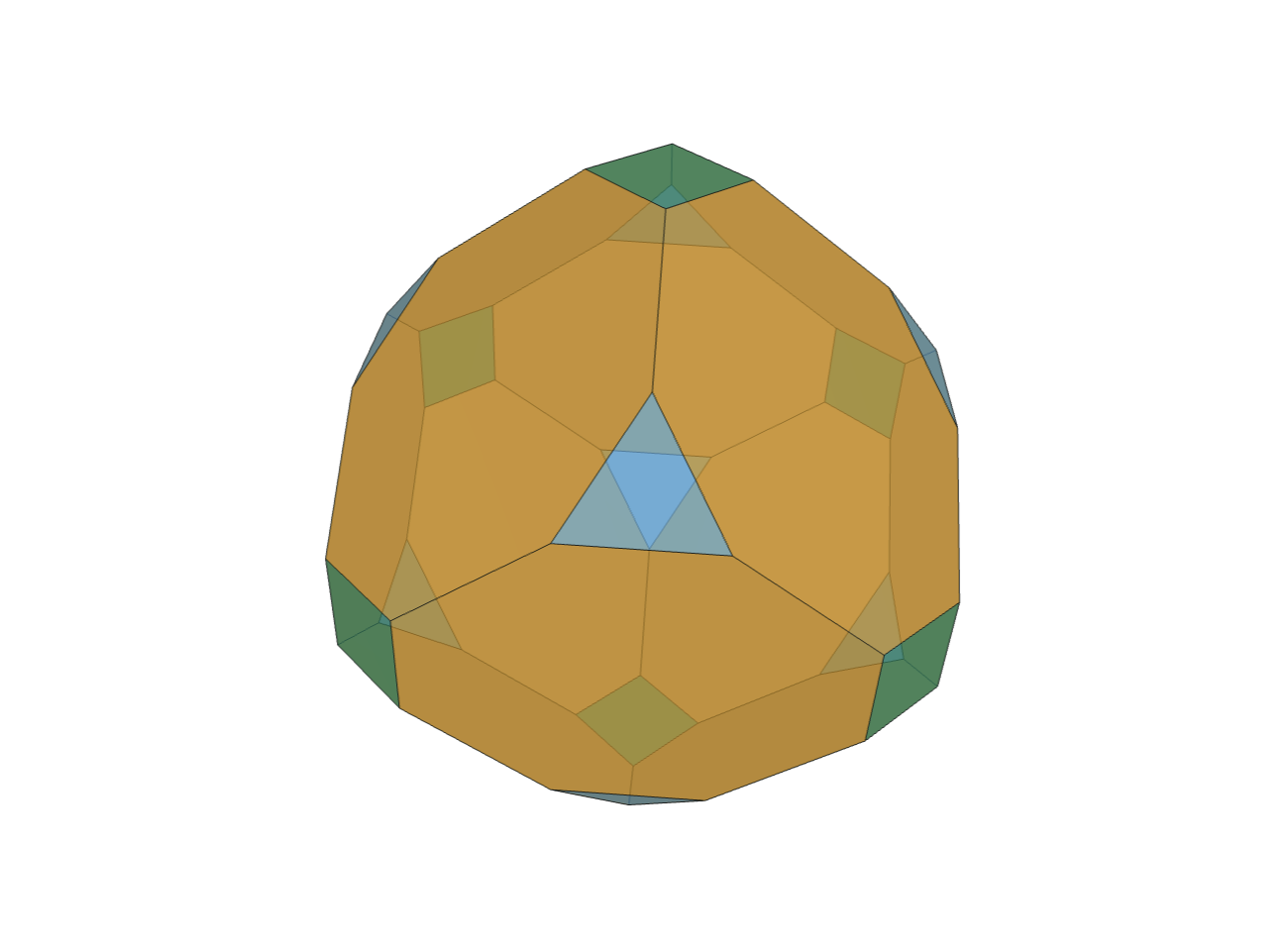
I built up Rowan's materials science capabilities. I created tasks to compute the electronic band structure, electronic density of states, XRD, and elastic tensor. I also created two new workflows:
- A phonon workflow, which computes the phonon band structure, zone-center modes, and thermal properties of materials.
- A surface energy workflow, which calculates the surface energy of materials along many Miller indices and creates a Wulff diagram.
I also reached out to academics in materials science to introduce Rowan and get suggestions for new tools.
What's something surprising you learned this summer?
How well machine-learned interatomic potentials (MLIPs) perform when computing some materials properties like elastic tensors. While building different tools, I tested MLIPs against DFT time and time again. Most of the time, DFT outperformed MLIPs by a moderate, and expected amount. This trend was slightly less obvious for elastic tensors though. I was consistently surprised by the speed/accuracy tradeoff between MLIPs and DFT across workflows and enjoyed experimenting with MLIPs.
What's a high-level project you wish someone working with computation in the chemical sciences would pursue?
Better teaching methods and tools for materials scientists to learn computation. The barrier to entry for materials simulation is really high, and the teaching tools that exist aren't as effective as they could be. More visual and intuitive instruction, particularly around plane-wave DFT and solid-state physics, could drastically improve the field's accessibility. While I value learning through conversations with LLMs, I think they're most beneficial after learning the basics.
What's an open-source software (OSS) project that you wish existed to make your work easier this summer?
I wish there was more consensus across materials simulation about the appropriate simulation parameters for different cases. There are tons of edge cases and opinions about what parameters are best to use and when. Consolidating this knowledge would help computational materials scientists tremendously.
If you were going to return to Rowan, what would you want to work on next?
Two orthogonal things I want to work on at Rowan are magnetic materials and 2D materials. Magnetism is fundamental to being able to run a complete array of materials simulations, and handling these materials would be a helpful expansion for Rowan's materials science users. 2D materials have a lot of interesting applications in tricky areas like catalysis and MXenes, and accessible computational workflows could transform the speed and quality of research in these areas.
What's your favorite game you played at Rowan, and why/what have you learned playing it?
My initial favorite game was the vocab quiz. Though I'm quite bad at the vocab quiz, I was inspired to build my own daily games, and my favorite game to play now is Abodes. I compete with my friends and family daily, and I hope to continue making more daily games!